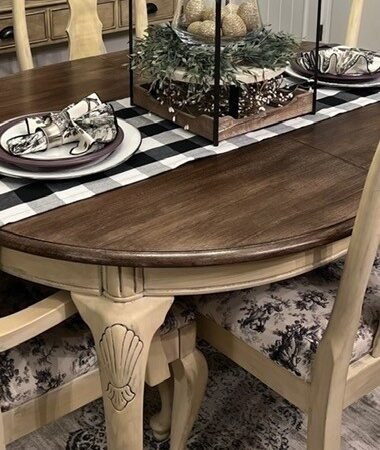
French country style has a way of making a home feel elegant without feeling formal and beautiful without feeling untouchable. It blends the warmth of a well-loved country home with the graceful details we associate with traditional French design. The result is comfortable, collected and meant for everyday living.
That is what I love most about it. A French country home does not have to be grand, perfectly coordinated or filled with expensive antiques. It can include a family heirloom, a thrift-store table, a softly faded fabric and a comfortable sofa where the dog is absolutely allowed to nap. It is less about following a strict set of decorating rules and more about creating a home that feels as though it has come together naturally over time.
So, what is French country style—and how can you bring it into your own home? Let’s take a closer look.
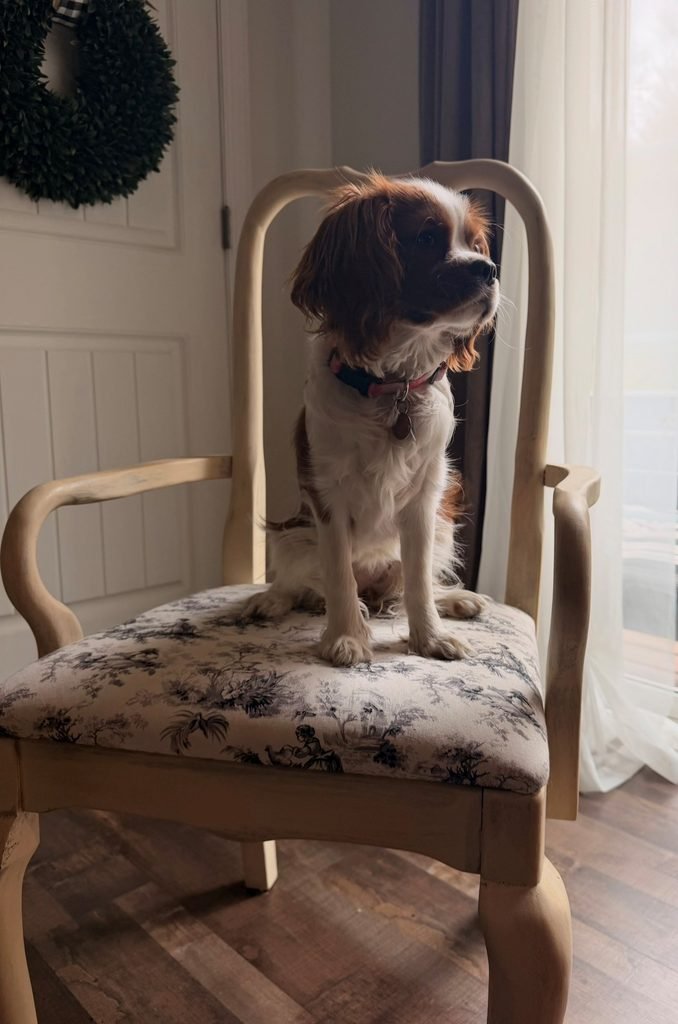
French Country Style is Warm, Graceful and Livable
French country interiors balance two qualities that might seem like opposites: rustic comfort and understated elegance.
You may see a timeworn wooden table paired with a sparkling chandelier, an ornate mirror above a simple painted chest or fine china displayed in an old cabinet with a few bumps and bruises. Nothing feels overly matched, yet the pieces relate to one another through color, shape, texture and history.
Most importantly, the room still feels usable. Chairs are meant to be pulled up to the table. Blankets are meant to be curled beneath. Beautiful dishes do not always have to wait for a special occasion.
Begin With a Soft, Nature Inspired Color Palette
Traditional French country rooms often take their colors from the landscape: warm whites, cream, linen, taupe, soft gray, muted blue, sage green and earthy shades of brown. Richer accents such as rust, burgundy, deep red or black can give those quieter colors more depth.
The goal is not to make every surface pale. A room usually feels more interesting when lighter colors are grounded by dark wood, aged metal or a few black accents. In my own home, those contrasts help keep soft fabrics and neutral furniture from feeling washed out.
Color should also flow rather than match exactly. Sight variations make a room feel layered and collected instead of purchased all at once.
Choose Furniture With Character
French country furniture is known for graceful curves, carved details, cabriole legs, rush seats, turned wood and softly worn finishes. But you don’t need an entire room filled with authentic French antiques to get the look.
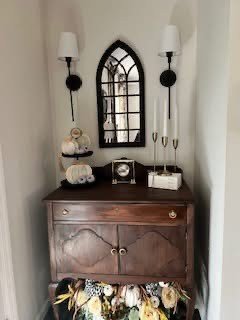
One beautiful piece can establish the feeling of the room. It might be an old cabinet, a curvy chair, a painted buffet or a farmhouse table marked by years of use. Then you can mix it with simpler, comfortable furniture that works for the way you live today.
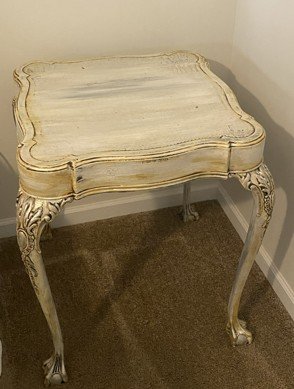
Mix Old Pieces With New Ones
A home decorated entirely with new furnishings can sometimes feel like a showroom. A home filled with only antiques may not provide the comfort or function a modern family needs. French country style lives comfortably between the two.
Try pairing a new upholstered sofa with antique side tables, a reproduction lamp with an old wooden chest or everyday dishes with inherited serving pieces. The contrast keeps a room from becoming too formal or too themed.
This is also what makes French country style accessible. You do not have to replace everything you own. Start by adding a few pieces with age, texture or graceful lines to what is already working in your home.
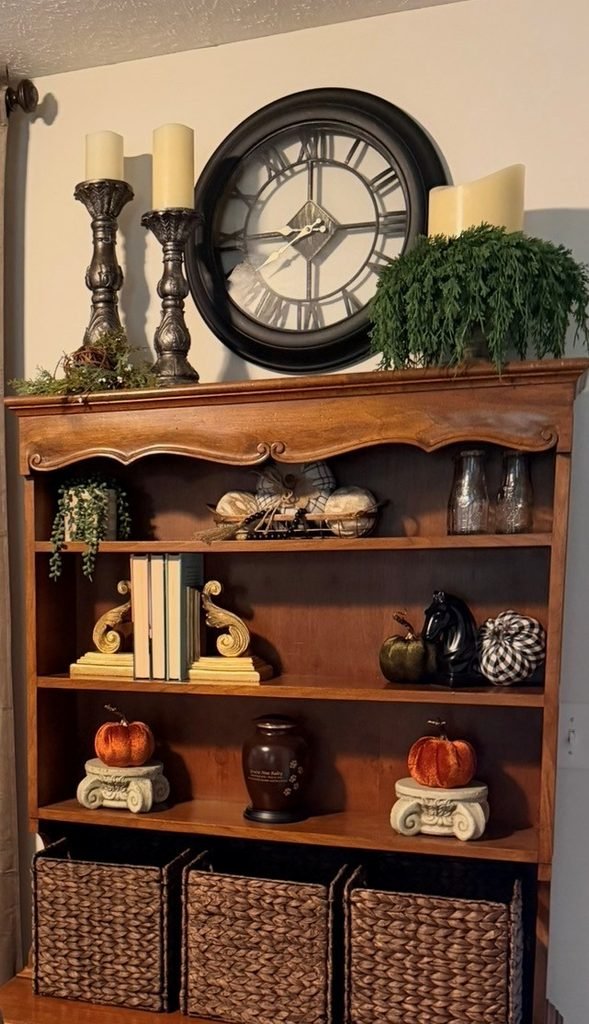
Layer Pattern, Texture and Natural Materials
Texture gives a French country room much of its warmth. Linen, cotton, velvet, woven baskets, weathered wood, iron, pottery and aged brass all help create a sense of depth.
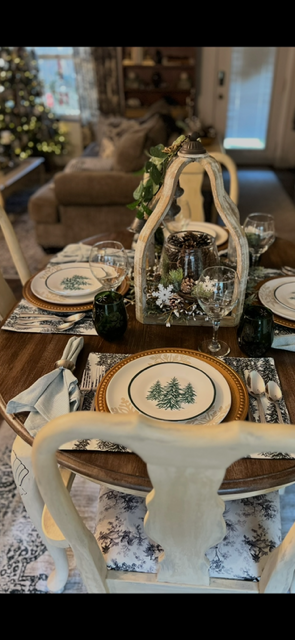
Patterns are welcome too. Toile is perhaps the best-known French country pattern, but checks, stripes, florals and small-scale prints also belong. I have used toile in my home for nearly thirty years, and still love it. Trends may come and go, but a pattern that genuinely speaks to you can become part of your home’s identity.
The secret is to give patterns some breathing room. A toile chair seat, floral pillow or patterned curtain will stand out more beautifully when it is surrounded by solids and quieter textures.
Let Your Home Show Its History
French country rooms are not supposed to look untouched. A nick in a table, crazing on old pottery, slightly faded fabric or an uneven painted finish can add warmth and authenticity.
That does not mean that everything needs to look distressed. In fact, too many intentionally distressed pieces can make a room feel forced. It is often more convincing to let age appear naturally and to mix weathered surfaces with a few polished ones.
The most meaningful history may be personal rather than valuable. Displaying those pieces turns decorating into something deeper than simply filling a room.
Add Beauty Through Everyday Details
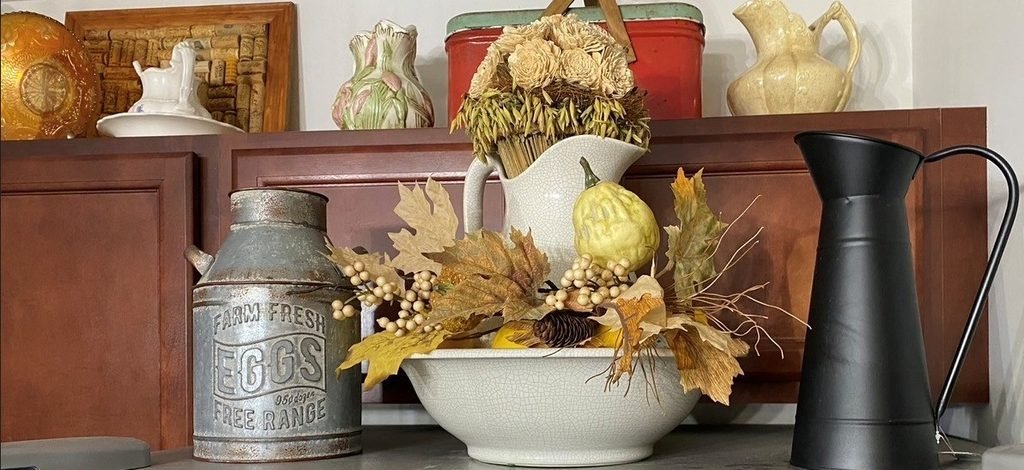
French country style is often expressed in small, ordinary moments: flowers tucked into a pottery pitcher, fruit arranged in a vintage bowl, a stack of books beside a lamp or a pretty towel hung in the kitchen.
You do not need a major renovation to begin. A few simple changes can shift the mood of a room:
- Replace a very modern accessory with an old crock, basket or pitcher.
- Add a small lamp for a softer layer of evening light.
- Bring in flowers, branches or herbs—fresh or faux.
- Display one meaningful object instead of several unrelated accessories.
- Introduce a classic pattern through a pillow cover, table linen or chair seat.
- Ground pale colors with wood, iron or a touch of black.
These smaller details are also easy to change with the seasons while the foundation of the room remains timeless.
What French Country Is Not
French country is sometimes confused with French provincial or shabby chic. The styles overlap, but they are not quite the same.
French provincial tends to feel more refined and symmetrical, while shabby chic often leans lighter, more romantic, and more intentionally distressed. French country generally feels earthier and more rustic, with a mixture of elegance, patina and practical comfort. If you would like to see the differences side by side, read French Country, French Provincial and Shabby Chic—What’s the Difference?
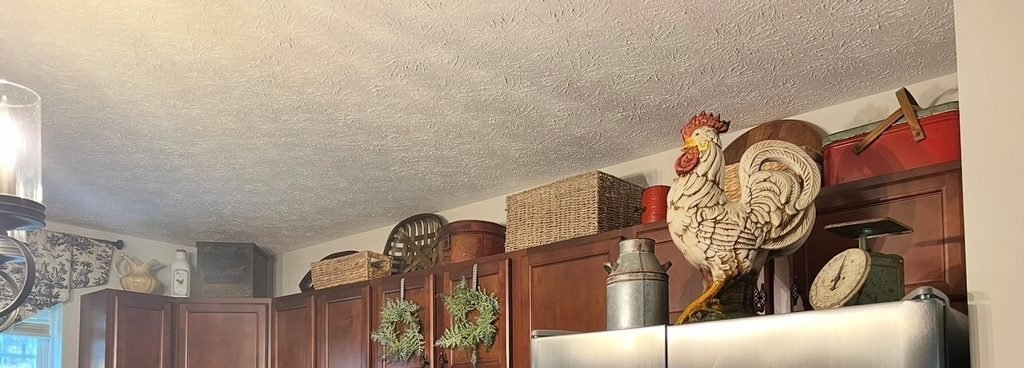
French country also does not require roosters on every surface, although my Henri would argue that at least one is appropriate.
Create a Home That Feels Like You
The loveliest French country homes are not copies of one another. They reflect the people who live there—their routines, memories, travels, families and sense of humor.
Choose pieces because you love them, not simply because they fit a label. Take your time. Move things around. Shop your own rooms before buying something new. Let your home evolve as you do.
To me, French country style is not about recreating a chateau. It isn’t about creating a themed room—but rather adding warmth, age, comfort, graceful shapes, natural materials, and pieces gathered over time. It is about combining comfort, character and a little elegance in a way that welcomes real life. When a home feels gathered over time and unmistakably your own, you have already captured the heart of the style. If you love the French country look but are having trouble seeing how it could work in your own room, Sophie Sees can help you reimagine the space using many of the pieces you already own.
Your home. Reimagined.
Leave a Reply