For years, we were told to simplify. Paint the walls white. Get rid of the heavy furniture. Clear off the surfaces. Replace old pieces with something cleaner, lighter and more modern.
And then something interesting happened. We started turning on our televisions and spending hours inside rooms that were anything but minimal.
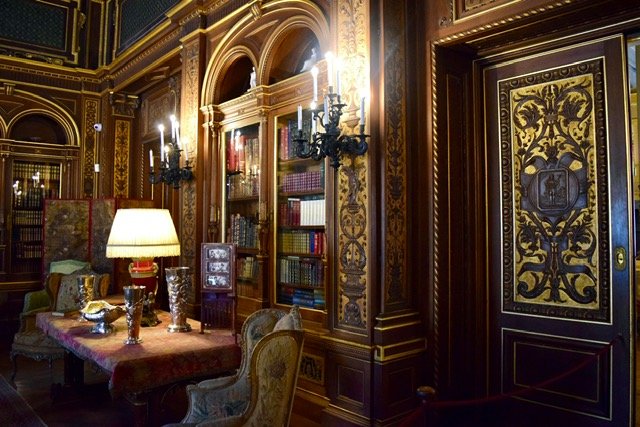
Shows like The Gilded Age, Bridgerton and Downton Abbey invited us into homes filled with patterned wallpaper, dark wood furniture, ornate mirrors, paintings, books, china, beautiful fabrics and layer upon layer of decorative detail. And suddenly, some of those things that had been dismissed as old-fashioned began looking rather wonderful again.
The Rise of Grandmacore
“Grandmacore” may have a playful name, but the decorating style behind it is really about something much more timeless: creating a home that feels collected rather than purchased all at once. Think floral prints, vintage dishes, embroidered linens, antique furniture, pleated lampshades, old artwork, quilts, books and the sort of objects that look as though they have a story behind them.
It doesn’t mean recreating your grandmother’s house exactly as it was. And it certainly doesn’t mean every room needs to look like a museum. Maybe after years of streamlined interiors, we’re simply craving rooms that feel lived in again.
Then Along Came The Gilded Age
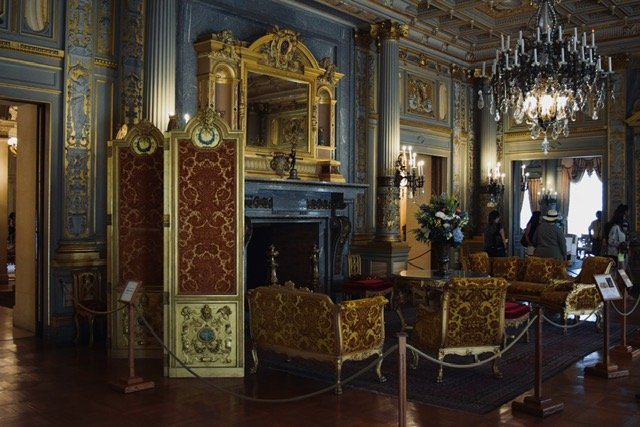
I’ll admit that I may be slightly biased because I love HBO’s The Gilded Age. But sometimes I find myself paying nearly as much attention to the rooms as I do the characters. The interiors are spectacular. There are elaborate wallpapers, enormous paintings, richly upholstered furniture, carved wood, decorative objects, beautiful lamps and tables covered with things.
Lots of things. These rooms would probably send a committed minimalist running for the door. And yet they’re fascinating to look at.
Interestingly, there is some evidence that suggests viewers aren’t just noticing those interiors. When The Gilded Age first aired, Vogue reported that online antiques marketplace 1stDibs saw searches for Gilded Age pieces increase by 130 percent during January and February of 2022.
Apparently, we really were looking at the furniture.
Television Has Done This Before
The Gilded Age isn’t the only period drama influencing the way we look at our homes. Bridgerton helped popularize an entire decorating aesthetic known as “Regencycore” inspired by the romantic interiors of Regency-era England.
Gilded mirrors, floral wallpaper, decorative moulding, sweeping curtains and antique-inspired furniture began appearing in conversations about modern interiors. But most people aren’t trying to turn their houses into Bridgerton sets.
Instead, we’re borrowing pieces of the feeling. And I wonder if the same thing is happening with “Grandmacore”.
Maybe We’re Getting Used to Seeing “Old” Things as Beautiful Again
This may be the part I find most interesting.
If you spend hours watching beautifully filmed shows where antique furniture, floral fabrics, old paintings and patterned walls are presented as luxurious and desirable, does it slowly change the way you see those same things in real life?
That little wooden table at the thrift store doesn’t look quite so dated. Grandma’s china suddenly seems worth displaying. The old oil painting at an estate sale looks interesting rather than stuffy. A floral chair becomes charming. And a room filled with books, lamps, paintings and collected objects begins to feel cozy rather than cluttered.
We aren’t consciously decorating our homes like the Russell mansion. Thank goodness, because I’m fairly certain my budget doesn’t include a ballroom. But perhaps these shows have reminded us that rooms don’t have to be minimalist to be beautiful.
It May Be Part of Something Bigger
Of course, television isn’t solely responsible for the return of traditional decorating. There’s a broader movement happening in interiors.
After years of highly edited neutral spaces, we’re seeing renewed interest in pattern, color-drenched rooms, antiques, richer colors and homes that tell a personal story. Even the idea of mixing old and new has become part of the conversation again. And that’s were Grandmacore, traditional decorating, English country style and even French country begin to overlap.
They aren’t identical styles, but they share something important. They allow a home to have history.
A scratched antique table can sit beside a new sofa. An inherited plate can hang on the wall. A thrifted painting can live beside something from a big-box store. Everything doesn’t have to come from the same collection—or even the same century.
Perhaps Grandma Was Onto Something
Trends have a funny way of making us get ride of things only to make us want them again twenty years later. The furniture that once seemed too brown is called warm wood. The floral wallpaper we removed is back. The china we packed away is now being displayed. Pleated lampshades, skirted tables, vintage art and antique furniture are finding their way into homes again. Maybe period dramas helped us see those things differently.
Or maybe shows like The Gilded Age simply arrived at exactly the right moment, when many of us were already ready for our homes to feel warmer, more personal and a little less perfect. Either way, I’m happy to see rooms with history making a comeback.
Because maybe Grandmacore isn’t really about decorating like our grandmothers. Maybe it’s about rediscovering something their homes had that ours have been missing.
Leave a Reply